
Working together so our communities are the healthiest in America.
Caring for Our Patients and Each Other
Nurturing a culture of caring for our patients and each other is at the core of delivering the very best quality and clinical outcomes. It begins with the best people, programs and resources. The stories in this year’s report reflect just a few of the accomplishments and progress we’ve made toward our goals supporting our vision of working together so our communities are the healthiest in America.
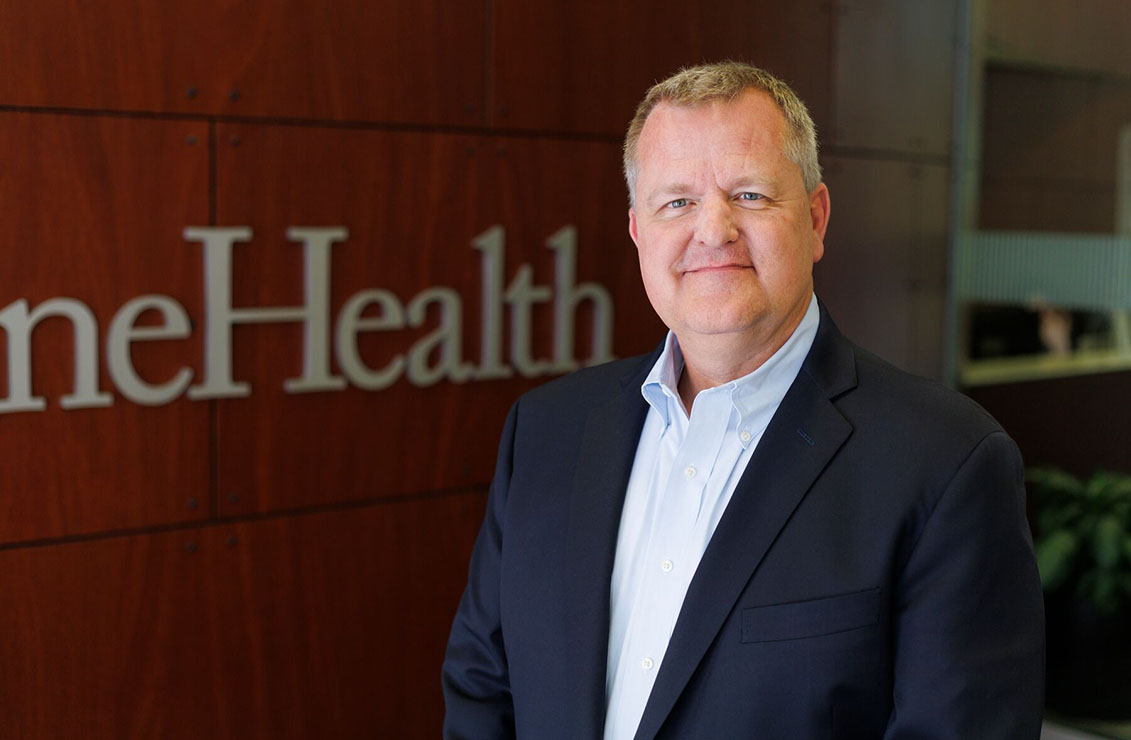
Andrew T. Mueller, MD
Chief Executive Officer, MaineHealth
Featured Stories
INVESTING IN OUR COMMUNITIES
In keeping with our vision, mission and values, MaineHealth offers a wide range of community programs focused on disease management, prevention and population health — free of charge — and no one is ever denied care because of inability to pay.
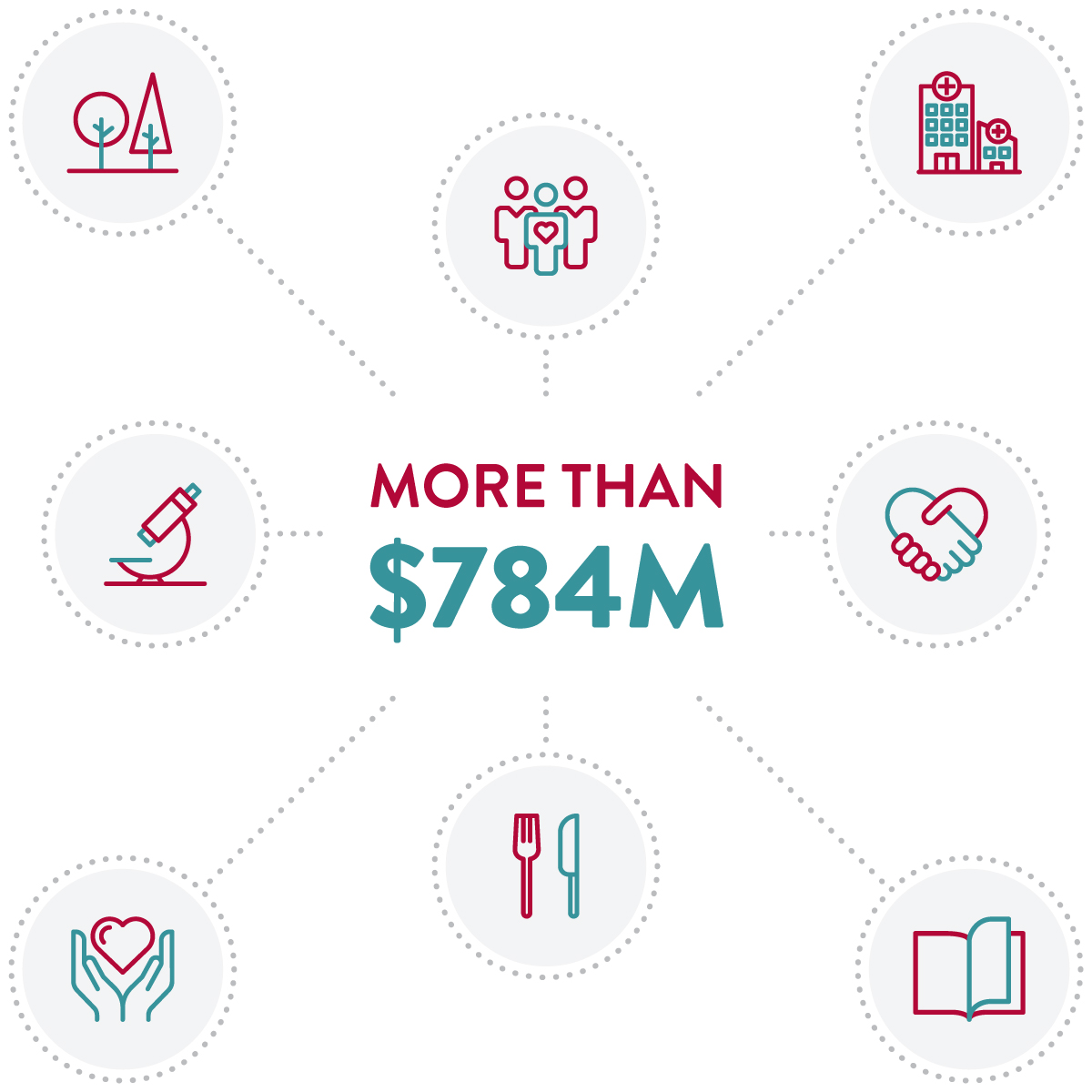
In 2022, the MaineHealth quantifiable value of community benefits at cost was over $784 million.*
*This number reflects all of the programs and services MaineHealth provides without reimbursement, including uncompensated care, professional education and training, community health services and support, and research.
